Ultimate Guide to Banff National Park Pass 2026
Disclosure: This post may contain affiliate links — if you purchase through them, I may earn a small commission at no extra cost to you. Thank you for keeping me writing and doing what I love!
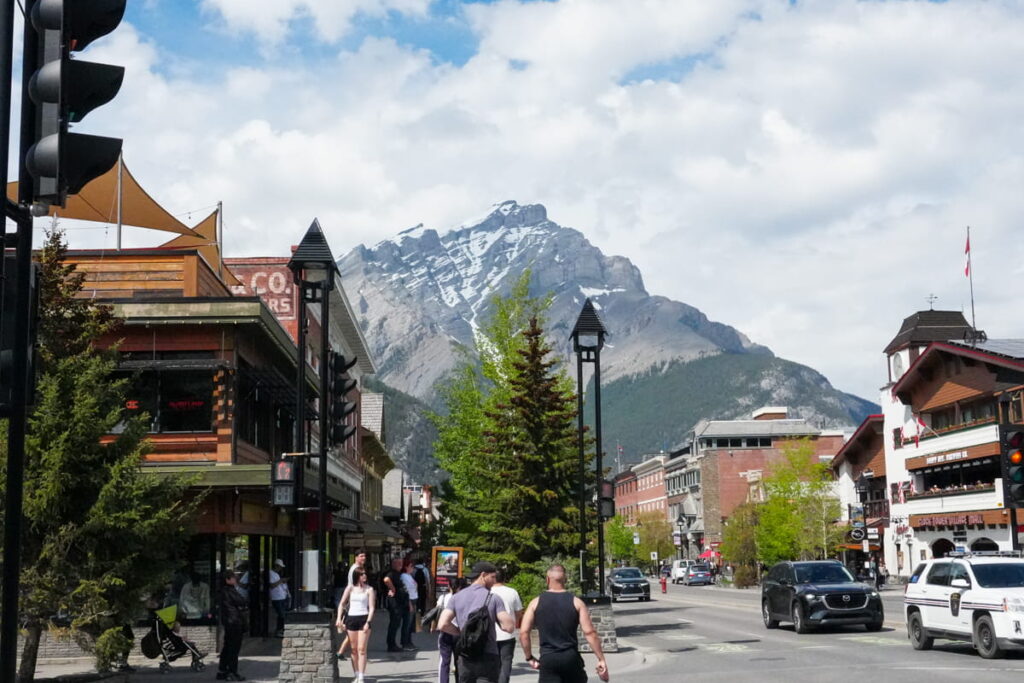
When I first started planning my trip to Banff, I fell into the same rabbit hole most people do — Googling “Banff National Park Pass” and somehow ending up more confused than when I started. Is there a specific Canadian Rockies pass? What’s the Discovery Pass? Is it different from the annual pass? And what the Canada Strong Pass had to do with any of it.
Here’s the short answer: there are really only two passes you’ll ever need to choose between — a Day Pass or the Discovery Pass (the annual one). Once I understood that, everything made sense.
What I didn’t fully understand until I moved to the Canadian Rockies and experienced it firsthand: one Parks Canada pass covers all four connected national parks in the Canadian Rockies — Banff, Jasper, Yoho, and Kootenay National Parks. There’s no separate “Banff-only” pass, and you don’t need a different one for each park.
In this guide, I’ll break down each pass, the math behind whether the Discovery Pass is worth it, exactly what’s covered (and what isn’t), and how to buy before you hit the gate.
Key Takeaways
- No Specific ‘Banff Pass’ Required: There is no unique pass for Banff; your Parks Canada entry pass works seamlessly across Banff, Jasper, Yoho, and Kootenay national parks.
- Know Your Pass Options: Choose between a Daily Pass for short visits or an annual Discovery Pass if you plan on staying for 7+ days or visiting multiple times throughout the year.
- Entry Requirements: You must purchase a pass if you stop anywhere inside the park, drive scenic routes like the Icefields Parkway, or stay overnight within park boundaries; only those driving straight through on major highways are exempt.
- Purchase and Display: Buying your pass online in advance is highly recommended to save time at park gates; ensure you print your pass and display it clearly on your dashboard, as digital versions alone may not be sufficient for unattended parking compliance.
- Budget for Extras: A park pass covers entry only; expect to pay separate fees for popular amenities such as the Banff Gondola, shuttles, parking at high-traffic sites, and overnight camping.
Park Entry is “Free” (2026 Update)
If you’re planning your trip between June 19 and September 7, 2026, here’s the good news: you don’t need to buy a pass at all. Through the Canada Strong Pass, entry to all national parks in the Canadian Rockies is completely free during this window.
What is the Canada Strong Pass?
It’s a summer travel program from the Government of Canada that makes visiting/exploring national parks easier and more affordable, for a limited time.
If you already own a Discovery Pass, you don’t lose out either — your expiry date automatically extends by three months. You can use the pass expiration calculator on the Parks Canada website to find out the expiry date of your pass.
This is also a bonus most people miss: camping and overnight stays booked directly through Parks Canada get a 25% discount during this same window. Worth noting — this only applies to Parks Canada-operated campgrounds, not third-party lodges or private accommodations inside the parks.
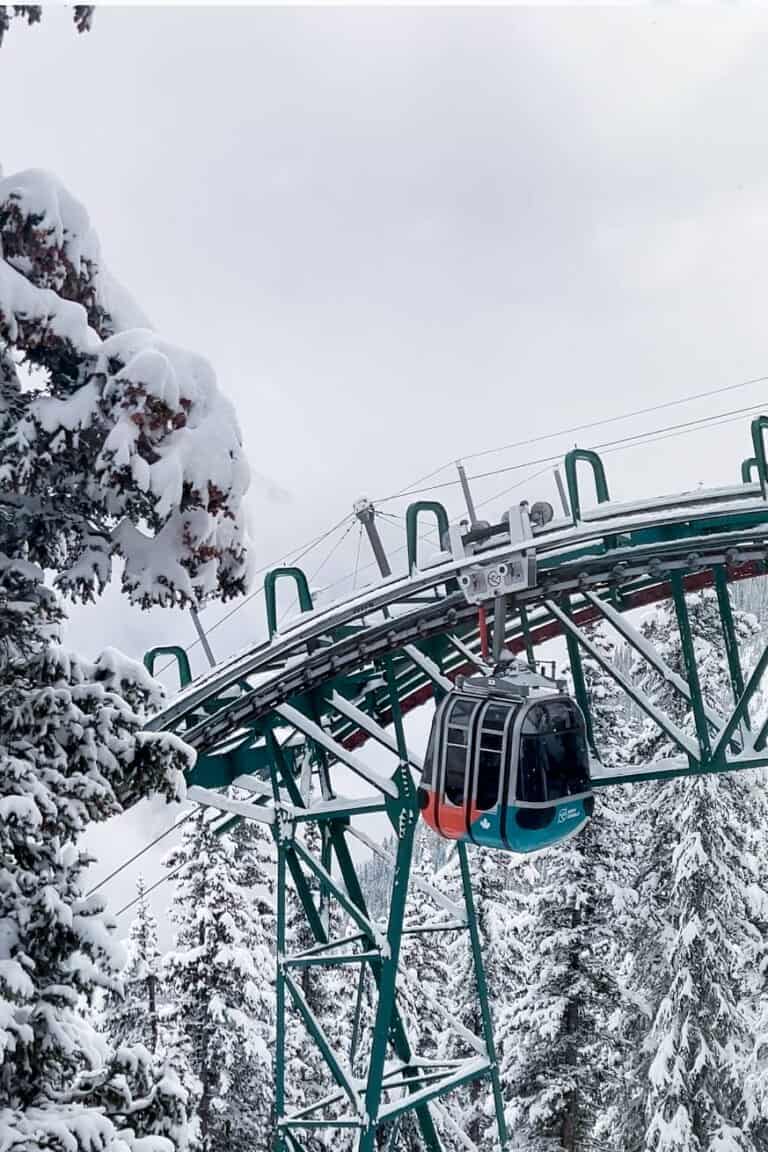
One thing I want to be upfront about: free entry doesn’t mean a free trip. Parking at popular spots, the Banff Gondola, hot springs, and shuttles to places like Moraine Lake are all still separate costs. The pass only covers the cost of getting into the park itself.
If your trip falls outside this window, don’t worry — this complete guide still applies to you.
Wait — Is the “Banff National Park Pass” a Real Thing?
Here’s something that might surprise you: there’s no official product called the “Banff National Park Pass.” It’s just the term most people search for. What you’re actually buying is a Parks Canada entry pass — and it happens to work across Banff, Jasper, Yoho, and Kootenay National Parks.
These four parks aren’t just neighbours — they’re collectively recognized as the Canadian Rocky Mountain Parks UNESCO World Heritage Site, known for rugged peaks, glaciers, alpine lakes, waterfalls, canyons, hot springs, fossil sites, and wildlife. It’s one of the reasons why the Canadian Rockies feels different from anywhere else I’ve travelled and lived.
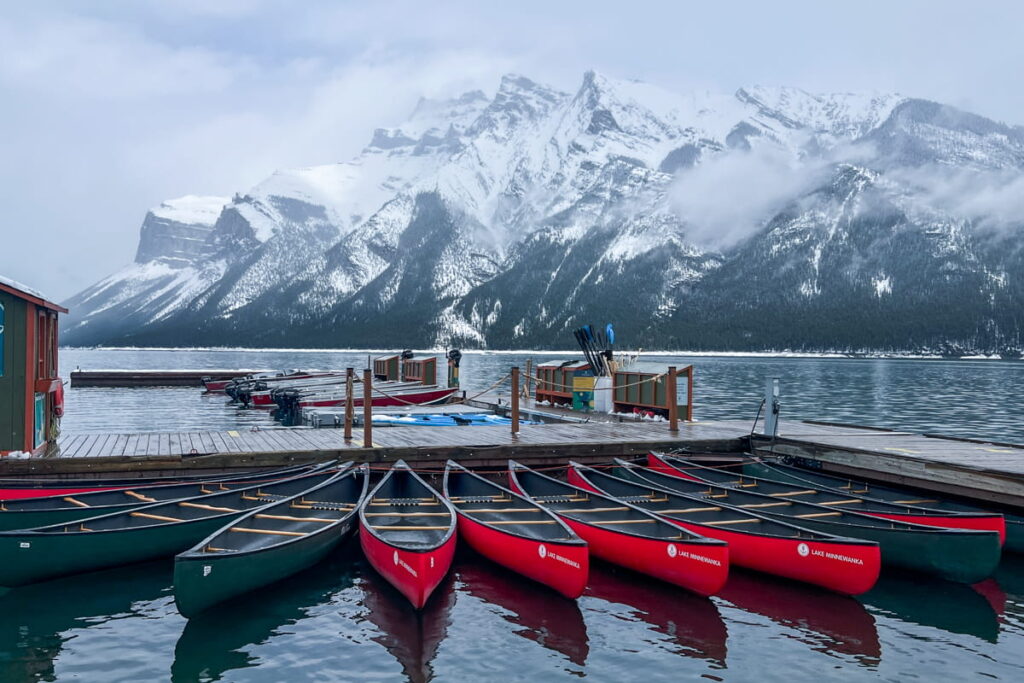
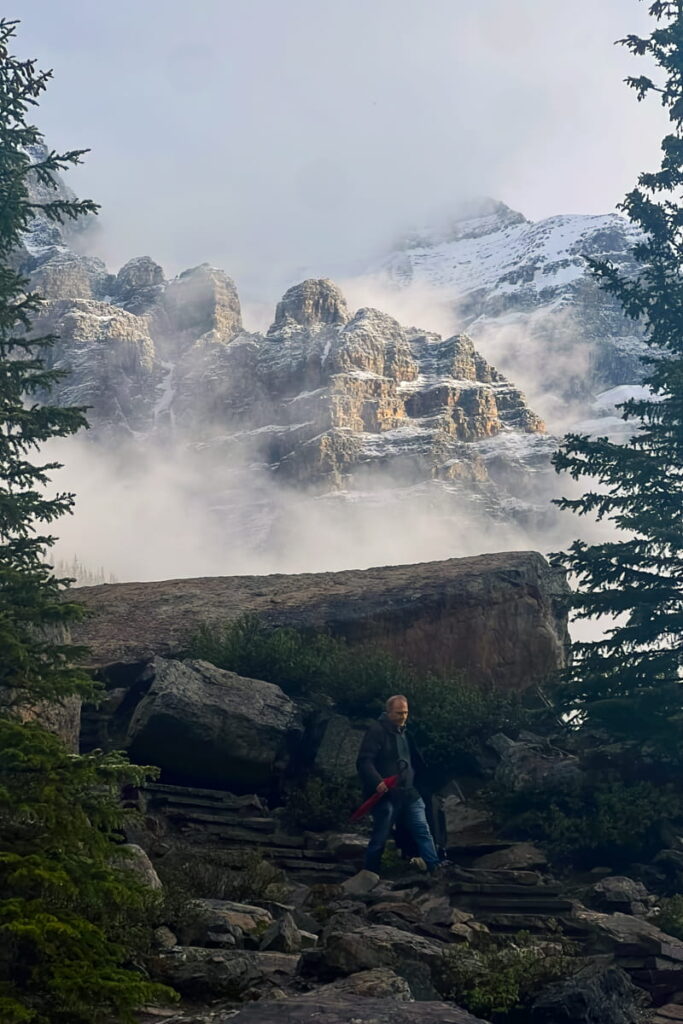
I drove from Banff, through the stunning landscapes of Yoho National Park, all the way to Jasper with my dad on a two-week road trip. We used one pass for three parks, covering the whole stretch. That trip is actually what convinced me this region was worth staying for.
Do You Actually Need a Pass? (The Rules, Simply Explained)
This trips up more first-timers than anything else, so let’s make it simple.
You need a pass if you:
- Stop anywhere inside the park — a viewpoint, a trailhead, a picnic spot, even just to take a photo or use the washroom
- Drive the Icefields Parkway (Highway 93N) between Lake Louise and Jasper, even if you don’t stop — it’s classified as a scenic parkway rather than a through-route.
- Drive the Bow Valley Parkway (Highway 1A) between Banff and Lake Louise, as this is also managed as a scenic route rather than a public through-highway.
- Stay overnight in Banff town, Lake Louise, or Jasper town — they’re all inside the park boundary
You don’t need one if you:
- Drive straight through on the Trans-Canada Highway (Hwy 1) or the Yellowhead Highway (Hwy 16) without stopping — these are public through-highways, not park-managed roads
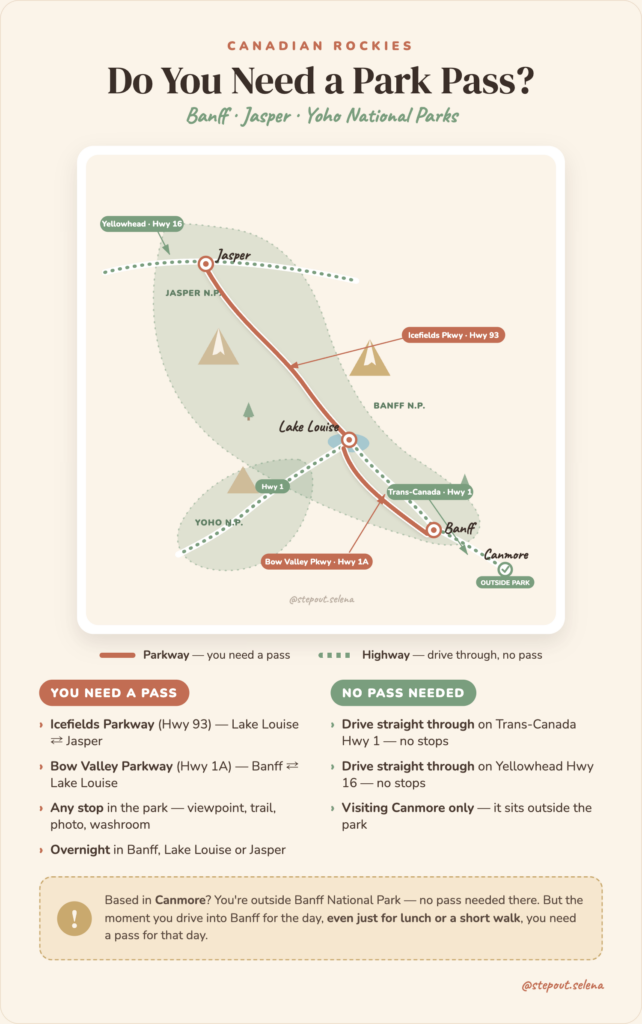
The one mix-up I see constantly: people who base themselves in Canmore think they don’t need a park pass, since Canmore itself sits just outside Banff National Park. But the moment you drive into Banff for the day — even just for lunch or a short walk — you need a valid pass for that day.
A separate thing worth knowing is that Kananaskis Country is a completely different system — it’s an Alberta provincial park, not part of the federal mountain national parks. You will need a Kananaskis Conservation Pass for that region, and it is not interchangeable with anything described in this guide.
Trust me, the wardens do check — especially at popular trailheads. But beyond the rules, the fees you pay go directly back to Parks Canada to maintain the trails, roads, and wildlife habitats that make these parks worth visiting. Conscious travel means recognizing that we’re all guests in these mountains, and we all share the responsibility of helping to preserve these protected spaces.
Your Two Options — Day Pass vs Discovery Pass
All prices in this post are in Canadian dollars (CAD).
Let’s cut straight to it. There are only two passes you need to know about.
Day Pass
A Day Pass isn’t just for one park — it’s a regional pass that covers the entire western national parks includes: Banff, Jasper, Yoho, Kootenay, Waterton, Mount Revelstoke, Glacier, and Elk Island.
A Day Pass is valid from the moment you buy it until 4pm the following day — not 24 hours. So if you buy it at 9am on Tuesday, it expires at 4pm on Wednesday. If you’re staying inside the park overnight, make sure your pass doesn’t expire while you’re still there.
Discovery Pass
The Discovery Pass is the annual option that gives you 12 months of unlimited entry from the date of purchase — valid until the end of the calendar month, one year later. So a pass bought on June 5 is valid until June 30 the following year.
It covers everything the Day Pass does, plus 80+ Parks Canada sites nationwide including national historic sites.
Here’s a side by side chart to help you understand the differences:
How Day Pass Stacking Works
Here’s an example. Say you’re spending 6 days in the Rockies, based outside the parks each night:
| Pass | Buy it | Valid until | Days covered |
|---|---|---|---|
| Pass 1 | Day 1 morning | Day 2, 4pm | Day 1 + Day 2 |
| Pass 2 | Day 3 morning | Day 4, 4pm | Day 3 + Day 4 |
| Pass 3 | Day 5 morning | Day 6, 4pm | Day 5 + Day 6 |
Total: 3 passes × $12.25 = $36.75 (adult) or 3 × $24.50 = $73.50 (family)
That’s a 6-day trip covered by just 3 passes — because each one bridges two days.
Note: this only works cleanly if you’re sleeping outside the park each night. If you’re staying inside the park — in Banff town, Lake Louise, or Jasper — your pass needs to be valid for every night you’re there, which changes the math.
Is the Discovery Pass Worth It? Here’s the Math
- Adult break-even: $83.50 ÷ $12.25 = 7 day passes
- Family break-even: $167.50 ÷ $24.50 = 7 day passes
Seven individual park days and the Discovery Pass pays for itself.
I bought a Discovery Pass before the road trip with my dad — moving between Yoho, the Icefields Parkway, Lake Louise, and Banff for a week, I knew stacking day passes the whole way wasn’t going to make sense. And with more Rockies exploring planned after the trip, it was an easy decision. Now, living and working here, it’s even more of a no-brainer since I’m in and out of the national parks all the time.
How and Where to Buy Your Pass
How to Buy — Online (Recommended)
The process is slightly different depending on which pass you need:
- Day Pass: buy through the Banff & Lake Louise Tourism Park Pass Portal — Parks Canada doesn’t sell Day Passes directly on their main site. You’ll receive a digital pass by email — print it out before you arrive and place it visibly on your dashboard. If you have a printed pass, you can skip the gate queue entirely and drive straight through the express/pass holder lane without stopping. If you can’t print it, you’ll still need to stop at the gate to get a physical paper slip from the booth staff.
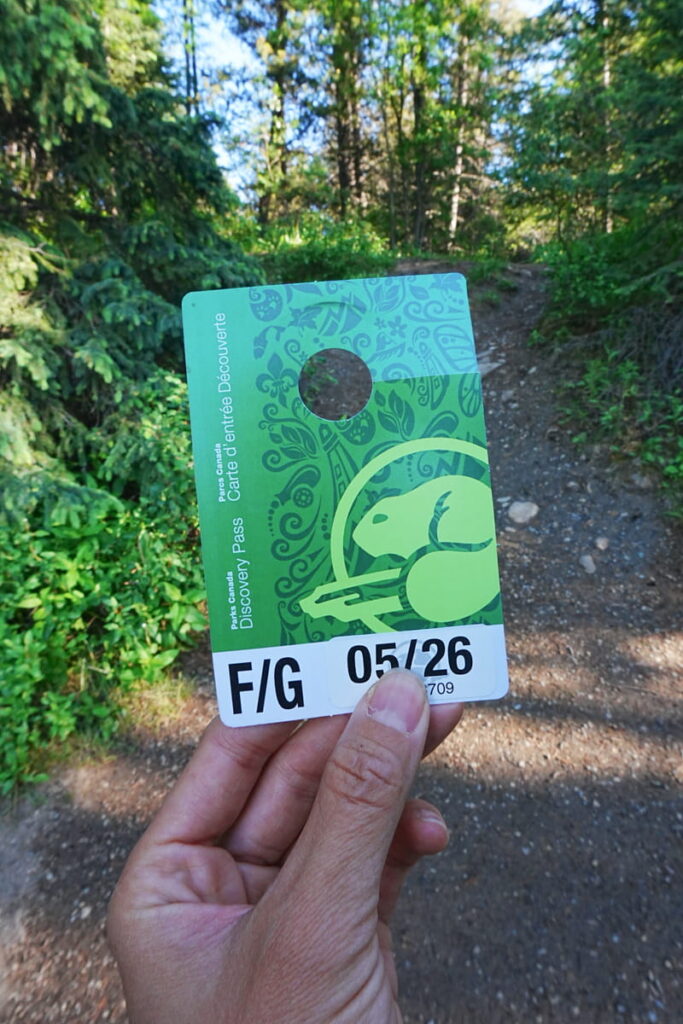
- Discovery Pass: buy directly through the Parks Canada Shop. You’ll receive a printable PDF by email — print it before you arrive, fold it into quarters with the expiry date facing up, and place it on your dashboard. If you can’t print it, show your phone at any park gate or visitor centre (full list below) and they’ll exchange it for a physical hangtag for your rearview mirror. If you want a physical card mailed to you, allow 5–10 business days within Canada.
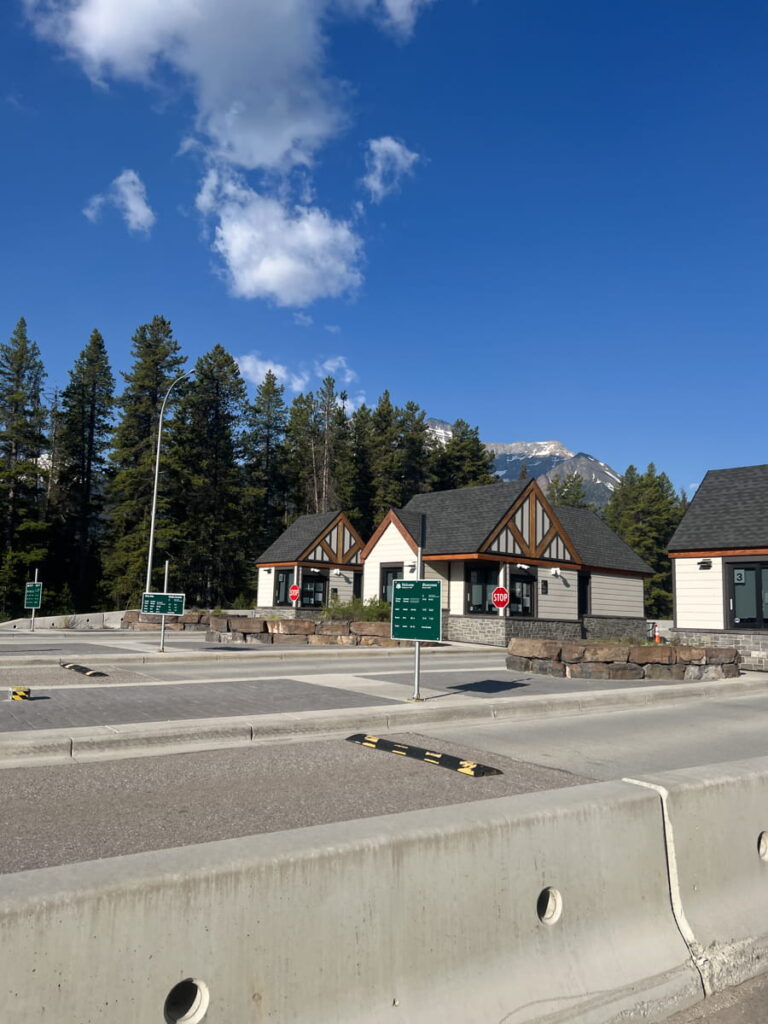
Heads up if you’re visiting in summer, especially on weekends: expect queues at the park gates. Even with a pass already sorted, you may still spend 20+ minutes waiting to get through. Plan your arrival time accordingly.
Where to Buy In Person
Both passes are available at any of these locations:
Park Gates:
- Banff East Park Gate — Trans-Canada Hwy 1, ~5km west of Canmore (coming from Calgary)
- Niblock Gate — 4km north of Lake Louise, at the start of Icefields Parkway (open summers only)
- Icefields Parkway Gate — 7km south of Jasper townsite
- Kootenay West Gate — 1km east of Radium on Hwy 93S
- Jasper West Gate — 22km west of Jasper on Yellowhead Hwy 16
- David Thompson Gate — Hwy 11, ~150km west of Rocky Mountain House (open summers only)
Visitor Centres:
- Banff National Park Visitor Centre — Banff town, 224 Banff Avenue
- Lake Louise Visitor Centre — Lake Louise village, next to Samson Mall
- Jasper National Park Visitor Centre — Jasper town, 500 Connaught Drive
- Icefields Centre — Columbia Icefield area (mid-April to mid-October)
- Kootenay National Park Visitor Centre — Radium Hot Springs (May to September)
- Yoho National Park Visitor Centre — Field, BC (May to September)
- Tourism BC Visitor Centre — Golden, BC (on Trans-Canada Hwy 1)
One important reminder: cell service disappears fast once you’re in the mountains. Screenshot your digital pass or download the PDF before you leave town.
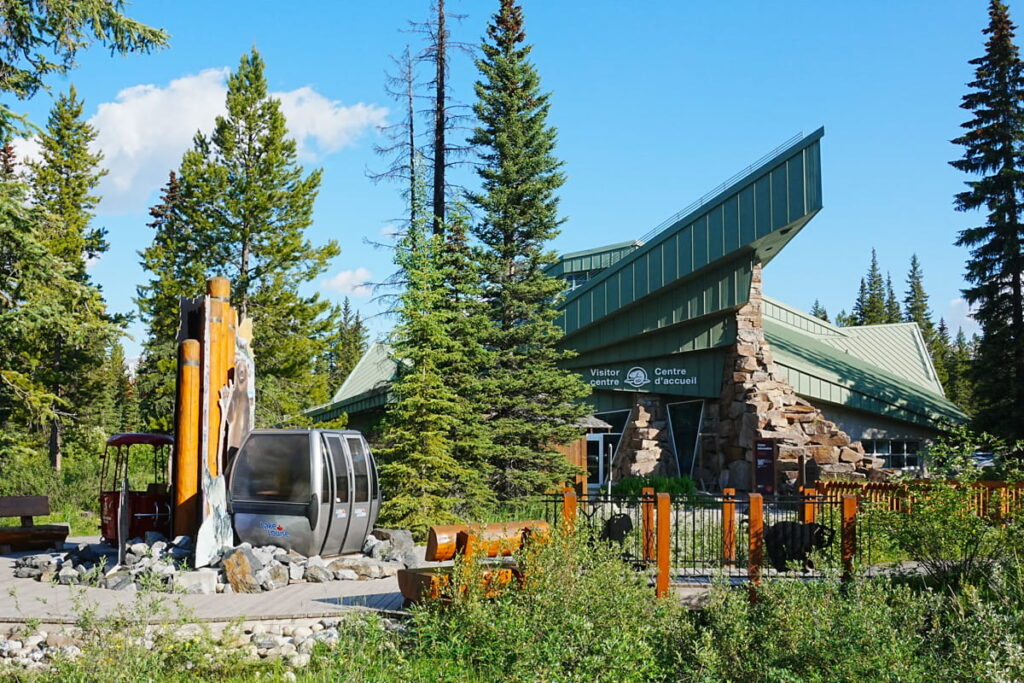
What the Pass Covers — and What It Doesn’t
This is the section most visitors wish they’d read before arriving. The pass covers park entry — and that’s it. Everything else inside the parks is priced separately.
Many visitors assume the pass covers everything once they’re inside the park. It does not. You should budget separately for the gondola, hot springs, and shuttles as these cost add up fast.
The Canadian Rockies national park pass system is actually simpler than it looks once you know what you’re dealing with — two passes, one decision.
Whatever pass you choose, buy it online before you arrive, print it out, and have it ready before you hit the gate. It’s one less thing to think about when you’re pulling up to the mountains for the first time.
The Canadian Rockies are worth every cent of the pass. Save this post for your trip planning, and when you’re ready to explore Moraine Lake, check out my complete guide here.
FAQ
Does everyone in the car need a pass?
It depends on which pass you buy:
- Family/Group Pass: covers up to 7 people arriving together in one vehicle — the most cost-effective option if you’re travelling as a group
- Individual Adult or Senior Pass: covers exactly one person and cannot be shared with other passengers
- Youth (17 and under): always free and don’t count toward the passenger limit
So if you’re travelling as two adults, you’d need either two individual passes or one Family/Group Pass — the Family/Group Pass works out cheaper once you have more than two adults in the vehicle.
Do I need a pass to visit Moraine Lake or Lake Louise?
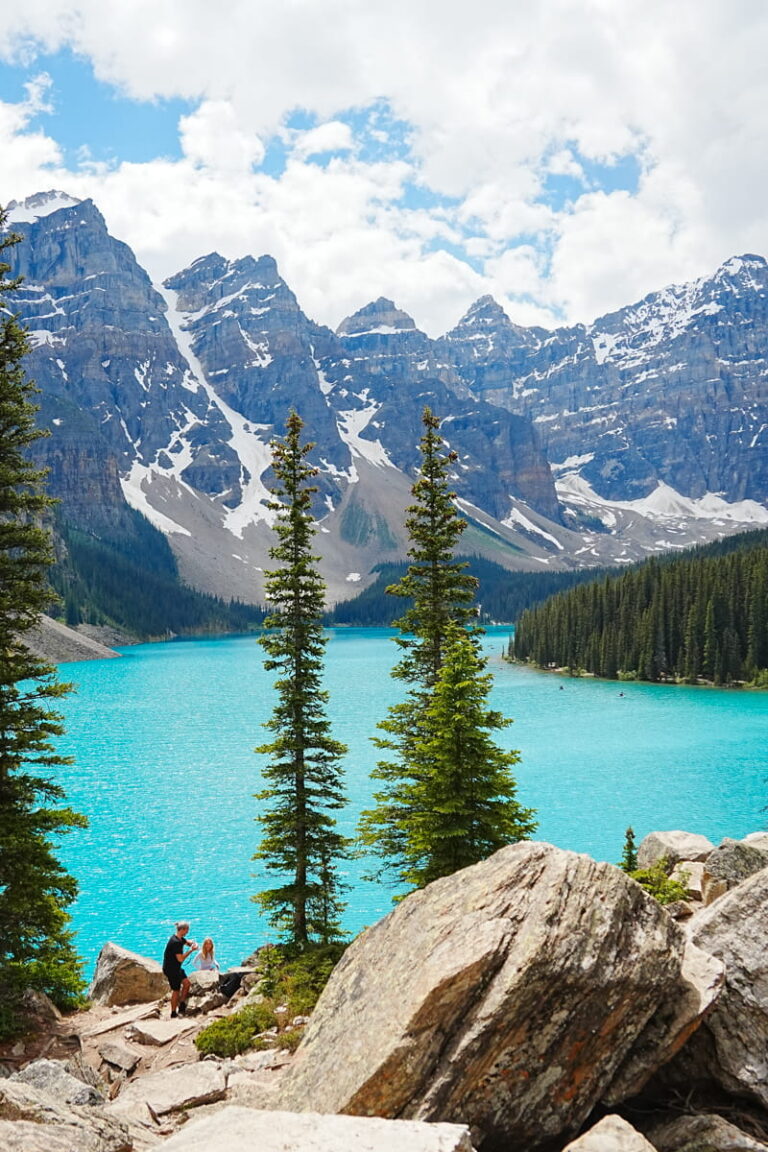
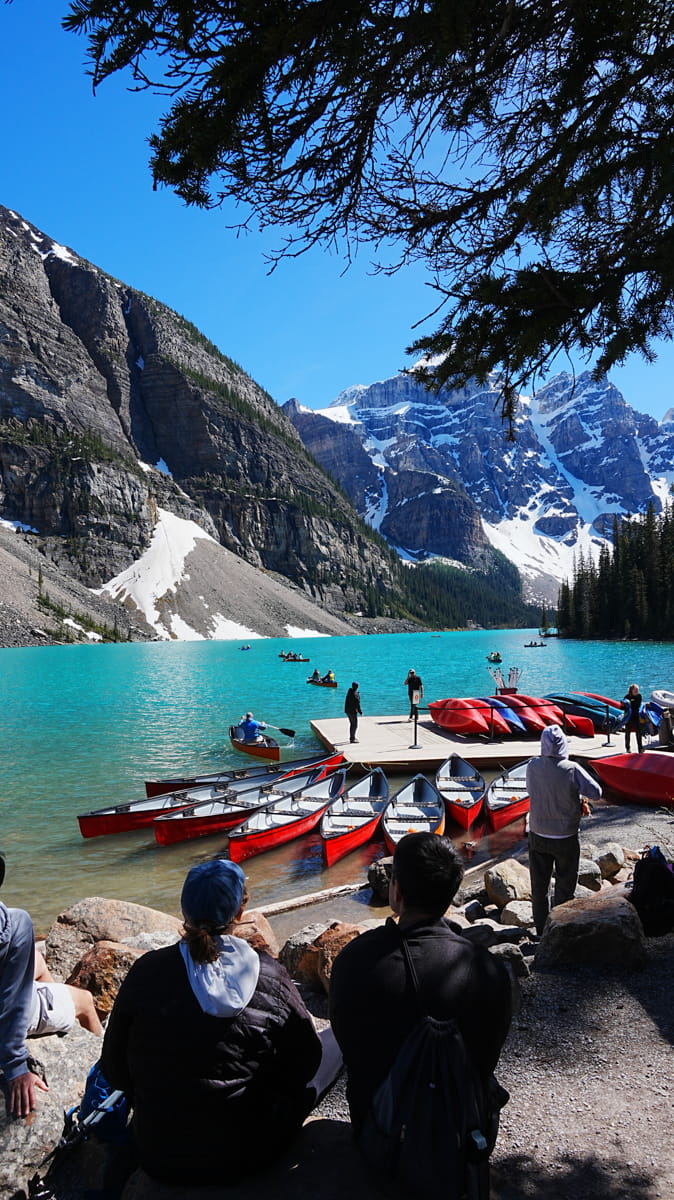
Yes — both are inside Banff National Park, so a valid pass is required. Keep in mind that Moraine Lake Road has vehicle restrictions; you’ll need to book the shuttle separately in advance.
Does the pass cover parking?
Not always. Some day-use areas include free parking, but major sites such as Lake Louise and Moraine Lake have separate parking fees. Budget for this separately.
Do I need a pass if I’m only driving through Banff on the Trans-Canada?
No — as long as you don’t stop. The Trans-Canada (Hwy 1) is a public through-highway and doesn’t require a pass if you’re passing through without stopping. The Icefields Parkway and Bow Valley Parkway are a different story — those require a pass even if you don’t stop.
I’m staying in Canmore. Do I need a pass?
Canmore itself sits just outside Banff National Park, so no Parks Canada pass is needed in town. But here’s where it gets more nuanced:
- Day tripping into Banff — yes, you need a Parks Canada pass every day you cross into the park
- Hiking trails around Canmore — most popular trails right outside Canmore (like Ha Ling, Three Sisters, and Grassi Lakes) are inside Kananaskis Country, a provincial park. These require a separate Kananaskis Conservation Pass — this applies even if you have a Discovery Pass, as the two systems are completely separate and not interchangeable
- Trails inside Banff National Park — if the trailhead is inside the park boundary, you need a Parks Canada pass
Is there a digital version of the pass?
Yes — both passes are available digitally when you buy online. For the Day Pass, show it on your phone at the gate and staff will give you a paper slip. For the Discovery Pass, you’ll receive a printable PDF — print it and display it on your dashboard, or exchange it for a physical hangtag at any gate or visitor centre.
Can international visitors buy the Discovery Pass?
Yes — there are no nationality restrictions. Anyone can buy either pass regardless of where they’re from.
What if I arrive at the gate without a pass?
You can buy one at the gate — but expect a queue, especially on summer weekends. Wardens do check passes at trailheads and parking areas, and vehicles without a valid pass can be fined. It’s not worth the risk.